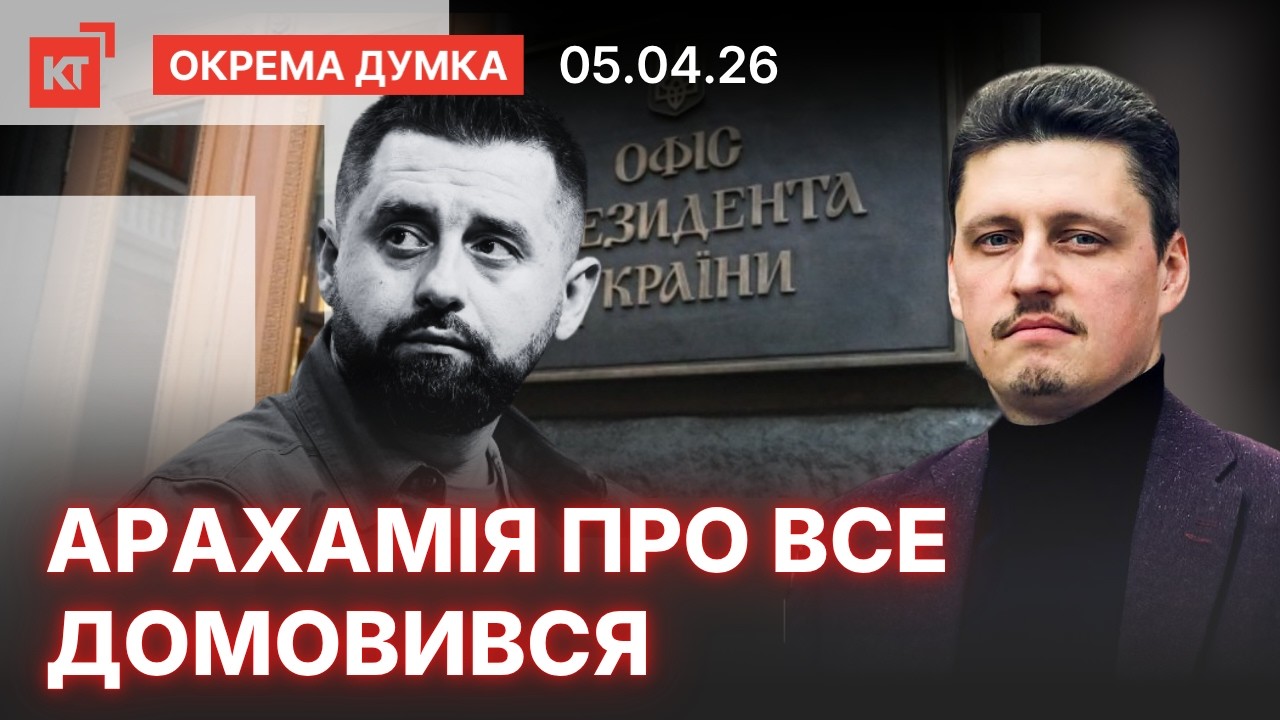
Political analyst Ihor Reiterovych, in his latest broadcast, reflects on whether the Verkhovna Rada will muster the strength to pass strategically important bills for Ukraine. He notes that last week was marked by active internal communications within the ruling party, with faction leader Davyd Arakhamia conducting consultations not only with 'Servant of the People' MPs but also with satellite groups.
The main intrigue lies in the prospects for voting on bills related to cooperation with the IMF, World Bank, and reforms under the Ukraine Facility. Reiterovych emphasizes that support is essentially only guaranteed for two IMF-related bills: the 5% military tax (which requires additional assurances of transparent, targeted spending) and legislation on electronic platforms for entrepreneurs. The bill on parcel taxation is less likely to pass, and the VAT bill for small businesses has little chance due to a lack of political support.
The analyst also points out that the parliament faces a deep managerial crisis due to poor interaction between the government and MPs. While some critical decisions may be adopted, such ad hoc consensus is unlikely to solve systemic problems. According to Reiterovych, the mechanism of collective work in the Verkhovna Rada is largely 'broken', and the role of individual MPs, especially Davyd Arakhamia, is pivotal for gathering votes.
None of the key institutions—the government, parliament, or the President’s Office—are demonstrating a clear strategy for resolving the political and managerial crisis. For now, only isolated successes are possible, while public trust in government bodies remains critically low. The coming week will serve as a marker of the coalition’s capability and the effectiveness of communication between branches of power.