Over the next 2-3 years, Ukraine's domestic political situation remains tense. Recently, the European Commission reminded Ukrainian leaders that without the adoption of 11 key bills, the country will not receive financial assistance, particularly a major EU loan. This loan is not reparational and will need to be repaid by Ukraine, increasing pressure on the state budget.
Parliamentary leaders and experts warn that the current format of interaction among the Verkhovna Rada, the government, and the President is no longer effective. A lack of political will, responsibility, and willingness to compromise threatens to block important decisions and reforms.
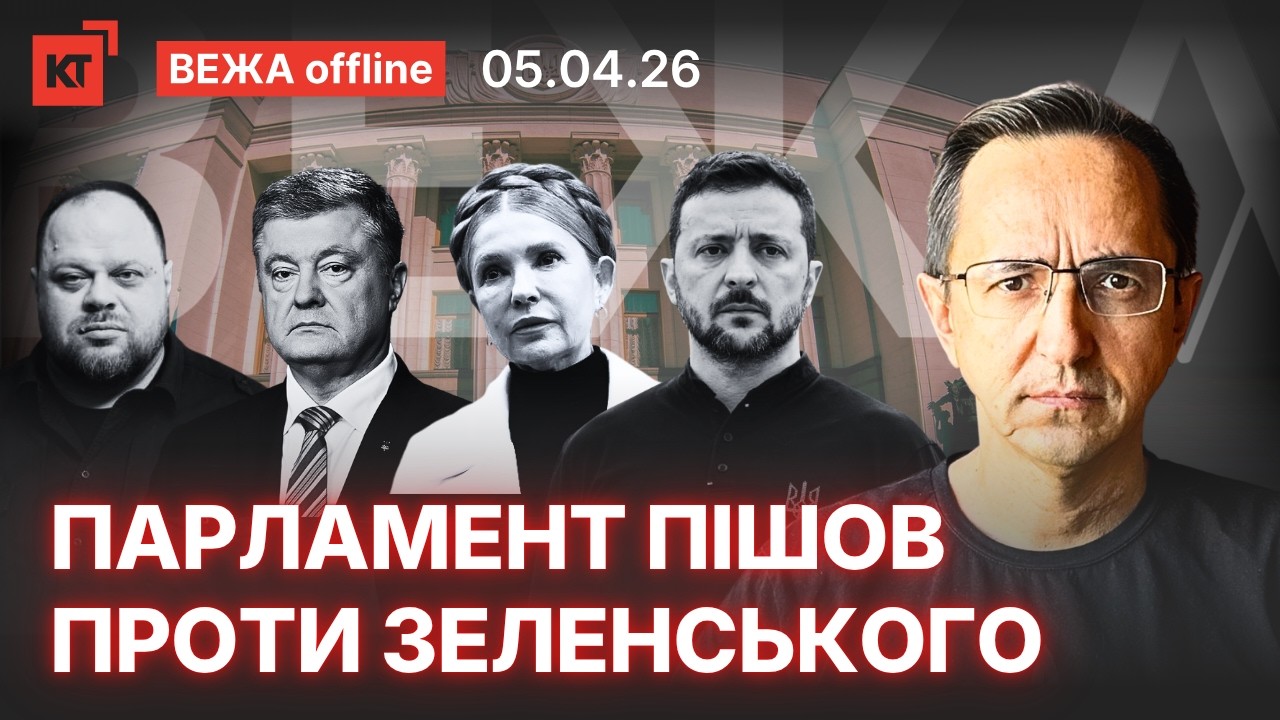
Nevertheless, the parliament currently possesses enough votes to pass necessary legislation, especially regarding European integration and defense financing. The key issue is the absence of systematic cooperation between the government, MPs, and the President's Office. President Volodymyr Zelensky denies the existence of a broad crisis, which hinders constructive dialogue.
Possible scenarios include: the President taking the initiative for cabinet reshuffles, or parliament independently forming a new coalition. Similar precedents occurred in Ukraine in 2004 and 2014. Many MPs voice dissatisfaction with the lack of leadership and collaboration.
The parliament is now debating European integration laws and mechanisms to ensure military taxes are used exclusively for defense rather than general state needs. Lawmakers seek guarantees for targeted use of funds. Parliament has the capacity to make crucial decisions, but open dialogue and a balance of power are required.
Trust in the parliament is three times lower than in the President or government, increasing political instability risks. Without coordination between key political players, systemic crisis is looming. Discussions continue on ways to overcome the situation, with the final scenario dependent on authorities’ readiness to change.